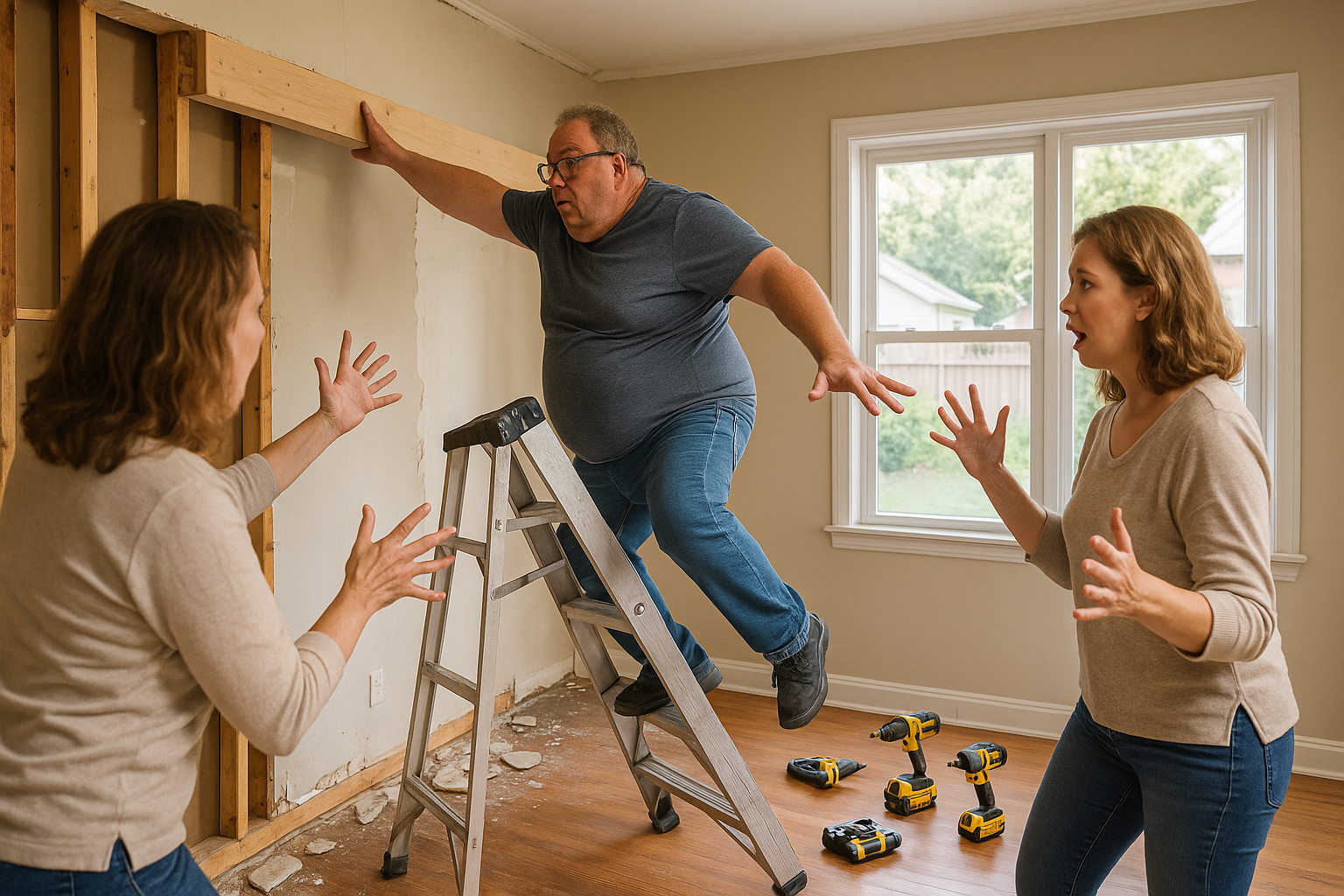
Embarking on a home remodel is an exciting endeavor, filled with the promise of a transformed living space and increased property value. But one of the most critical decisions homeowners face is whether to take on projects themselves or hire professionals.
The appeal of DIY is strong—lower costs, creative control, and personal satisfaction. But not all remodeling tasks are created equal. Knowing when to grab the hammer and when to call in an expert can mean the difference between a rewarding project and a financial disaster.
This guide will help you decide what’s realistic to tackle yourself, what should be left to pros, and how to make smart, safe, and cost-effective remodeling decisions.
The Evolving Landscape of DIY Remodeling
Fueled by online tutorials, TV shows, and social media, the DIY culture has surged. Many homeowners now feel empowered to tackle jobs they might have once outsourced.
The perceived benefits:
- Cost savings: Skipping labor costs can cut a remodeling budget by 20% to 50%.
- Satisfaction: Completing a project brings a deep sense of accomplishment and pride.
- Control: DIYers set their own schedule and retain full decision-making power.
But the reality often includes:
- Time overruns: DIY projects routinely take 2–3 times longer than anticipated.
- Skill gaps: Many tasks require training to execute safely and correctly.
- Mistakes: Small errors can lead to expensive repairs or rework.
- Safety risks: Lack of training or tools can lead to serious injury or code violations.
Assessing Your DIY Capabilities
Before deciding to DIY, consider the following:
- Skill level: Evaluate your abilities in carpentry, tiling, electrical, plumbing, etc.
- Time availability: Are you truly able to dedicate evenings or weekends consistently?
- Tools and equipment: Do you already own the right tools or will you need to rent or buy them?
- Willingness to learn: Are you ready to invest time studying how to do the job right—and safely?
What You Can (and Can’t) DIY
Some projects are beginner-friendly. Others are risky, regulated, or too complex for a casual attempt.
DIY-Friendly Tasks:
- Painting: High impact, low complexity—perfect for most homeowners.
- Replacing fixtures: Swapping out faucets or light fixtures is manageable with basic skills.
- Installing backsplash: With patience and planning, this tiling job is often DIYable.
- Minor demolition: Removing old flooring or cabinets can be done safely with proper prep.
- Landscaping: Tasks like planting, mulching, and light hardscaping are ideal for DIY.
Tasks Best Left to Professionals:
- Structural work: Modifying load-bearing walls or foundation elements requires engineering oversight.
- Electrical: Mistakes here can cause fire, injury, or code violations.
- Plumbing: Major re-routing or fixture installs should be done by licensed pros.
- HVAC systems: Installation and servicing require certification and specialized tools.
- Roofing: The risk of injury and the importance of proper sealing make this a pro-only job.
Navigating the Professional Hiring Process
When hiring help, choose the right specialist for the job:
- Handyman: Best for small repairs and punch-list items.
- General contractor: Necessary for larger renovations that involve multiple trades.
- Specialist: For plumbing, electrical, HVAC, or structural work.
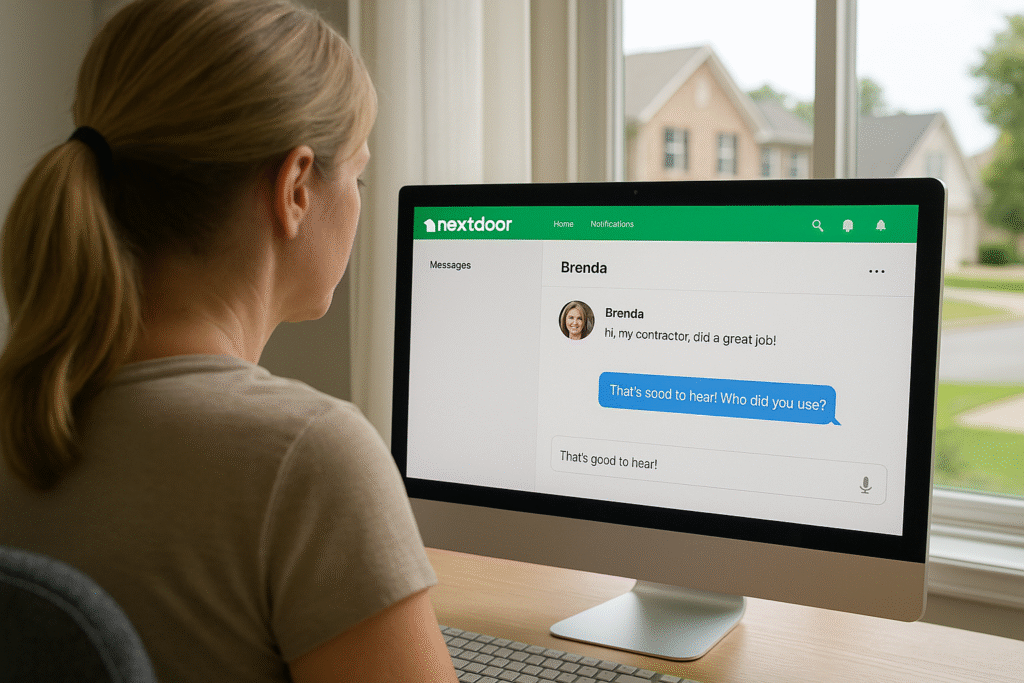
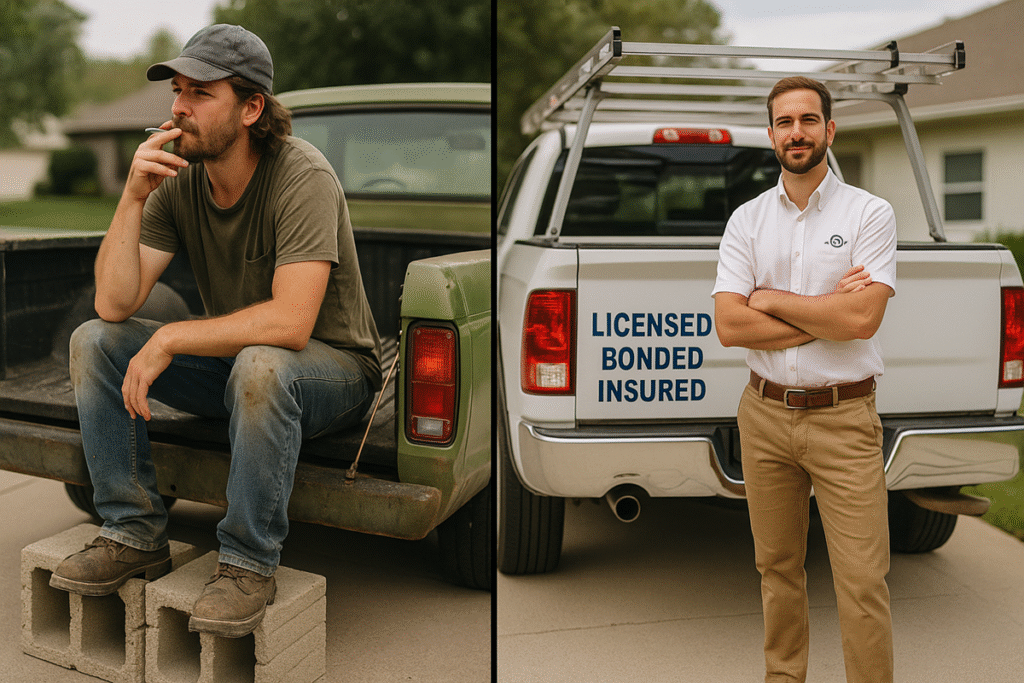
Ask for credentials, references, and detailed bids. Interview multiple candidates before hiring.
The Hidden Costs of DIY
DIY often looks cheaper than it really is. Consider these hidden costs:
- Tool/equipment purchases: Specialized tools can cost hundreds or thousands.
- Material waste: Mistakes often lead to wasted materials.
- Repairs and rework: A poorly done job may require professional repair later.
- Time value: Your time has value—especially if a project drags on.
- Permits and compliance: Missed or misfiled permits can lead to costly delays or fines.
The Pitfalls of YouTube Tutorials
While online videos are helpful, they have limits:
- Oversimplification: Tasks often appear easier than they are.
- Missing context: Your home’s structure or code requirements may not match the tutorial.
- Safety risks: Not all creators emphasize safe practices.
- Inaccuracies: Always verify steps with multiple trusted sources.
DIY Remodeling Horror Stories
There’s no shortage of cautionary tales:
- Structural collapse from DIY wall removal.
- Electrical fires caused by amateur wiring.
- Burst pipes and water damage from incorrect plumbing work.
- Permit violations that led to stop-work orders or lost sales.
The lesson: just because you can do it doesn’t mean you should. Rebo’s Remodeling Rules provides a much deeper dig into the scope of managing a remodel.
Making the Right Call
Every remodel decision should be weighed against risk, cost, and complexity.
Ask yourself:
- Am I qualified to do this safely and correctly?
- Is this job legally or structurally sensitive?
- Will the money I save be worth the time and potential stress?
When in doubt, get a professional opinion before diving in.
Protecting Your Investment
Whether you DIY or hire, protect yourself by:
- Securing all permits: Never skip legal requirements.
- Documenting everything: Keep a paper trail of estimates, invoices, and contracts.
- Maintaining insurance: Ensure your homeowner’s policy covers renovation work and tool storage.
Final Thoughts
DIY remodeling can be rewarding, but it comes with real risks and responsibilities. Be honest about your skillset, do your homework, and prioritize safety and code compliance above all. When in doubt, consult a pro. Your home—and your wallet—will thank you.